Off-grid cabin systems
Solar, battery storage, generator integration and electrical distribution for qualifying remote cabins.
Chesbro Electric supports qualifying cabins and remote properties in the Big Horn Mountains with solar, batteries, generators, electrical troubleshooting, and seasonal startup and closing services.
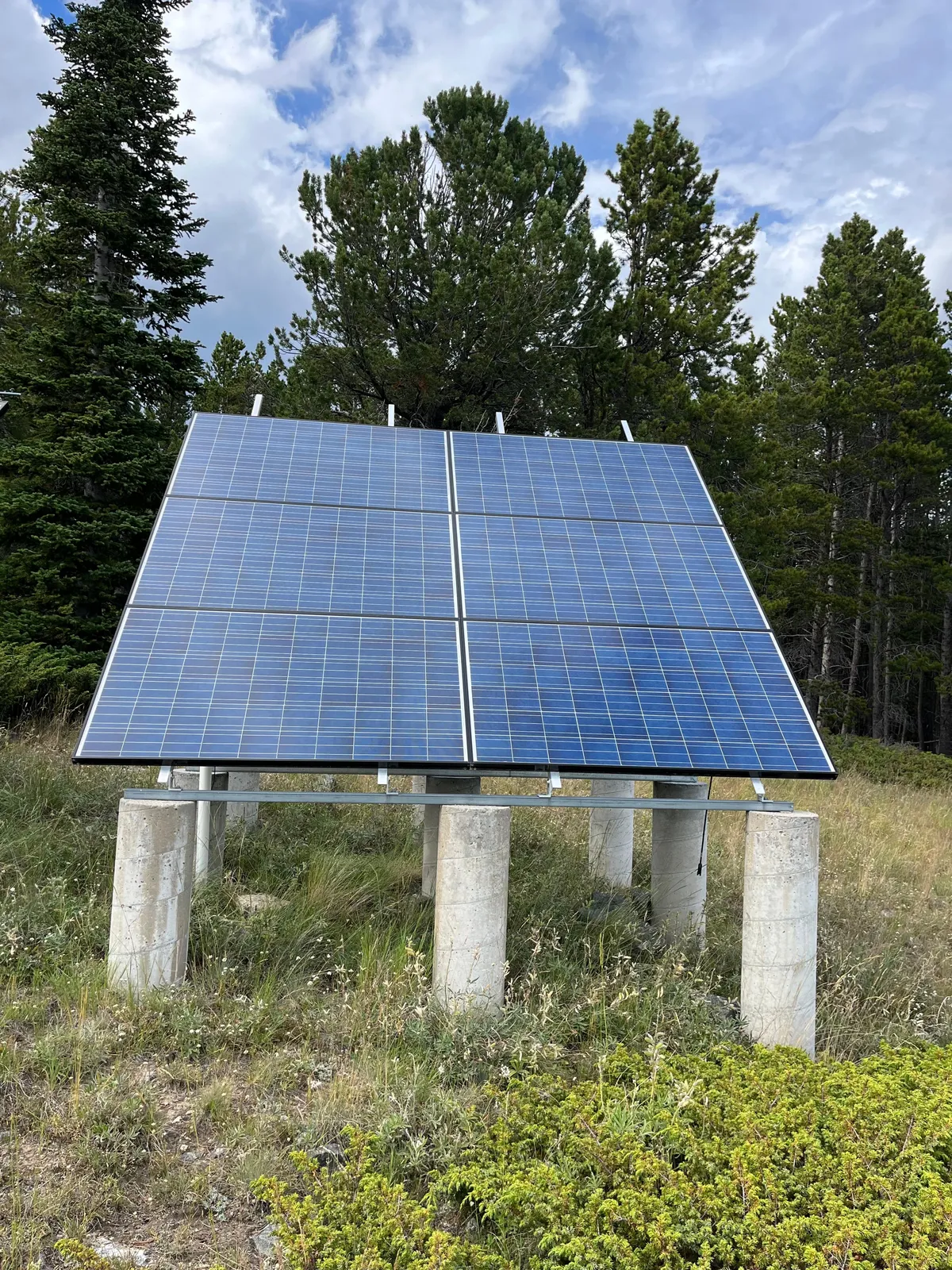
Solar, battery storage, generator integration and electrical distribution for qualifying remote cabins.
Electrical service, backup power, solar and troubleshooting for cabins with utility power.
Spring/start-of-season and fall/end-of-season service for solar, generators and cabin electrical systems.
Seasonal service can include checking solar and battery operation, generator startup and transfer operation, visible electrical conditions and system shutdown steps appropriate to the installed equipment.
Send equipment details before the trip.
Generator make/model, inverter/charger information, battery type, utility status, access conditions and known issues help us arrive better prepared.
Yes. Chesbro Electric works on qualifying off-grid and remote cabin projects involving solar, batteries, generators and electrical systems.
Yes. Seasonal service can include solar, generator and electrical-system startup or closing based on the actual equipment and requested scope.
Yes. Chesbro Electric can support qualifying grid-tied cabins as well as off-grid properties depending on location, access and scope.
Wyoming law makes electrical installations subject to the applicable minimum requirements of the National Electrical Code. Being outside city limits does not make electrical code requirements disappear.
Chesbro Electric works to the NEC requirements applicable to the project and jurisdiction, along with any valid local requirements, permitting and inspection rules that apply.
County property does not mean “no code.”
Ranches, cabins, shops, outbuildings and rural properties still deserve electrical work designed and installed to applicable safety standards. Enforcement and permitting can vary by jurisdiction, but the underlying electrical-safety requirements still matter.