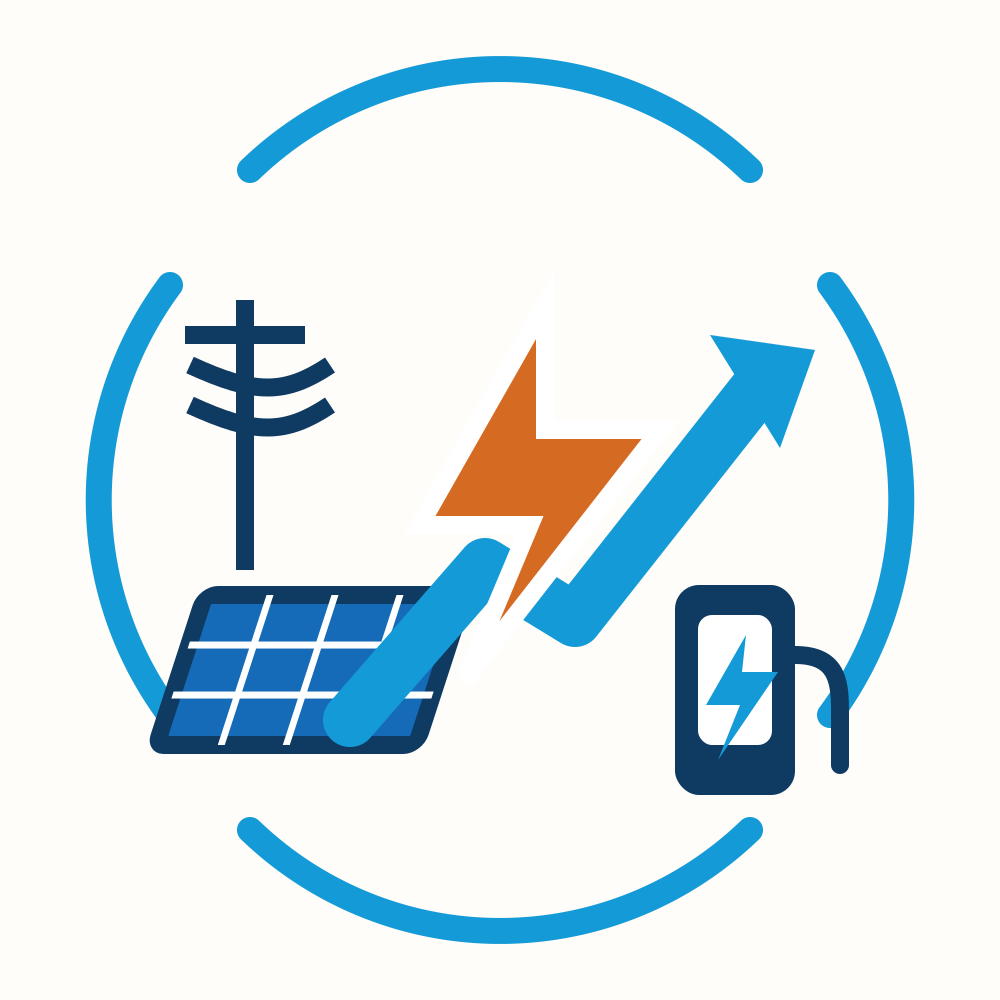
The next five years are likely to be a strong period for the electrical trade. The reasons go well beyond ordinary construction cycles: more electricity demand, data-center growth, grid upgrades, solar and storage, EV charging, aging infrastructure and a continuing need to replace experienced workers who leave the trade.
The national outlook is already stronger than average.
The U.S. Bureau of Labor Statistics projects electrician employment to grow 9 percent from 2025 to 2035, compared with 3 percent for all occupations. BLS estimates about 72,700 electrician openings each year on average during that period.
Those openings come from two sources: new demand and the need to replace workers who retire, change occupations or otherwise leave the field.
AI is creating electrical demand of its own.
There is an interesting contrast in the current labor market. AI may reduce demand for some kinds of work, but the infrastructure required to support AI increases electricity demand. BLS specifically identifies data-center growth, grid expansion and new electrical infrastructure as factors expected to increase demand for electricians.
Servers cannot operate without power. Data centers need service entrances, distribution equipment, backup systems, controls, cooling and connection to an increasingly stressed power grid.
Grid modernization will require skilled labor.
More electrical generation is being added while existing transmission and distribution systems need upgrades. BLS expects rising electricity demand and grid expansion to increase electrician demand in electrical contracting, power-line construction and related industries.
That work does not happen automatically. Someone still has to install, connect, test, maintain and repair the equipment.
Solar, batteries and distributed power add another layer.
Solar installations, battery systems, standby generators, microgrids and other distributed-energy systems create work both during initial installation and later service. BLS also projects solar photovoltaic installer employment to grow rapidly over the coming decade.
For electricians, the opportunity is broader than installing panels. These systems often involve service equipment, transfer equipment, inverters, batteries, grounding, overcurrent protection and integration with existing electrical systems.
EV charging will continue to create electrical work.
More homes, businesses and fleets are adding Level 1 and Level 2 charging. Every charger represents a real electrical load that may require a new circuit, service-capacity evaluation, panel work or commercial distribution changes.
This is another example of a technology trend that creates physical electrical work rather than eliminating it.
Replacement demand may matter just as much as growth.
Even if construction slowed temporarily, the trade would still need new workers because experienced electricians retire and leave the occupation every year. BLS projections count tens of thousands of openings annually for exactly that reason.
That makes apprenticeship and hands-on training especially important over the next five years. The industry does not simply need more workers; it needs people who can develop the skill to work safely and independently.
What the next five years probably look like for electricians.
No forecast can predict every local market, and construction work will always move through cycles. But several demand drivers are moving in the same direction: electrification, data centers, grid upgrades, renewable generation, backup power, EV charging and replacement of retiring workers.
For someone entering the trade now, that creates a strong reason to build broad fundamentals while learning newer systems such as solar, storage, generators, controls and EV charging.
Electrical work is becoming more technical, not less important.
The electrician of the future will still need to understand conductors, raceways, grounding, motors, services and troubleshooting. Increasingly, that electrician may also encounter battery systems, inverters, networked controls, vehicle charging, smart equipment and sophisticated backup-power systems.
The opportunity is not that electrical work stays exactly the same. The opportunity is that nearly every major technology trend still needs someone who understands electricity in the real world.
Sources
We work on residential, commercial, ranch, rural, generator, solar, off-grid, underground, bucket-truck and specialty electrical projects throughout northern Wyoming.
Talk with Chesbro Electric →